Source fishscale ceramic coffee mug and saucer set for Gifts
Explore 30 listings for the fishscale ceramic coffee mug and saucer set, featuring custom designs and high-temperature resistance. Buyers can compare eco-friendly options suitable for daily use, business gifts, and promotional events with varying MOQs and customization levels.
Key considerations
Products List



Comprehensive Sourcing Guide
Strategic Sourcing Guide for Fishscale Ceramic Coffee Mug and Saucer Sets
The global market for ceramic tableware has seen a significant shift toward items that blend traditional craftsmanship with modern functional aesthetics. For procurement professionals specifically targeting the "fishscale ceramic coffee mug and saucer set," the sourcing landscape requires a nuanced understanding of material properties, customization capabilities, and supply chain logistics. While the specific "fishscale" texture is a distinct design element often associated with hand-painted or underglaze techniques, the underlying procurement strategy relies heavily on verifying the structural integrity of the ceramic body and the consistency of the glazing process. This guide provides a disciplined framework for evaluating suppliers, analyzing technical specifications, and managing risks associated with importing these specialized ceramic sets from major manufacturing hubs.
Technical Specifications and Material Composition
The foundation of any successful procurement for ceramic mugs lies in the precise definition of material and structural attributes. Based on available industry data for ceramic coffee sets, the primary material is consistently identified as high-grade ceramic. This material choice dictates the thermal properties of the final product, specifically its ability to withstand high temperatures, which is a critical safety requirement for hot beverage containers. The structural design typically manifests as a single-layer ceramic cup, which offers a balance between durability and weight.
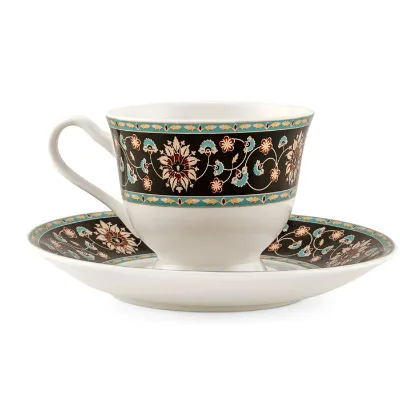
When evaluating a "fishscale" design, buyers must look for specific technical markers in the product description. The "fishscale" pattern is often achieved through specialized crafting techniques such as underglaze application or hand-painting. These methods require a high degree of artisanal skill to ensure the pattern adheres correctly to the curved surface of the mug without cracking during the firing process. The weight specifications for such sets are also vital for logistics and user experience. Typical ceramic coffee cups in this category weigh approximately 245 grams, while the accompanying saucer may weigh around 350 grams. These figures are essential for calculating shipping costs and ensuring the set feels substantial enough to justify a premium price point.
Furthermore, the dimensional specifications must be strictly verified. Standard dimensions for similar ceramic sets often include a diameter of roughly 8.8 cm and a height of 5.7 cm for the cup, with a saucer diameter extending to 8.2 cm. The inclusion of a spoon, often measuring 14 cm in length, is common in complete sets. Buyers should request detailed technical drawings or CAD files to confirm that the "fishscale" texture does not compromise the rim smoothness or the structural stability of the handle. The finish, whether matte or gloss, is another critical specification; a matte finish is frequently preferred for textured designs to enhance the tactile experience of the fishscale pattern.
Customization Capabilities and Design Flexibility
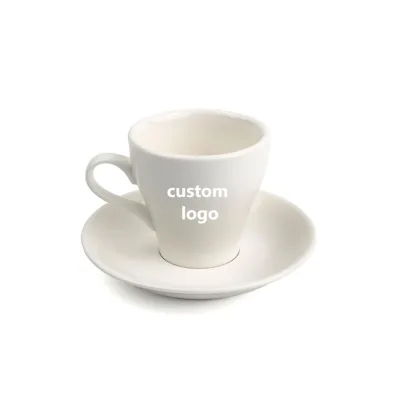
One of the most significant advantages of sourcing ceramic coffee sets from major manufacturing regions is the extensive range of customization options available. The market data indicates that customization is a standard offering for these products. Suppliers typically support customized shapes, allowing buyers to deviate from standard cylindrical forms to create unique silhouettes that highlight the fishscale texture. Additionally, the acceptance of customized logos and designs is a standard practice, enabling brands to integrate their identity directly into the product surface.
Color customization is another pivotal factor. While the fishscale pattern often implies a specific aesthetic, suppliers generally support custom color variations, ranging from multicolor schemes to solid unicolor options. The ability to support custom colors allows buyers to align the product with specific brand guidelines or seasonal trends. The production of these customized sets often involves the "OEM" (Original Equipment Manufacturer) model, where the supplier manufactures the product according to the buyer's exact specifications. This flexibility extends to packaging as well, with options ranging from standard export cartons to custom-branded white or color boxes.
However, the level of customization often correlates with minimum order quantities (MOQ). While some suppliers may offer lower MOQs for standard designs, highly customized fishscale sets typically require a commitment of 1,000 sets or more. This threshold ensures that the setup costs for specialized molds, glazing jigs, and hand-painting labor are amortized effectively. Buyers must also consider the "No Stock" reality for highly customized items; these products are made-to-order, meaning lead times will be longer than for off-the-shelf inventory. The production standard often allows for customization of any size, provided the structural integrity of the ceramic is maintained.
Cost Drivers and Pricing Dynamics
Understanding the cost structure of fishscale ceramic coffee sets is essential for budgeting and margin analysis. The observed price range for ceramic mugs in the broader market spans from $0.35 to $10.90 per unit, but the specific price for a high-quality, hand-painted, fishscale set will likely fall toward the higher end of this spectrum. Several key factors drive these costs. First, the "hand-painted" technique, often cited as a key attribute for premium ceramic sets, significantly increases labor costs compared to machine-printed alternatives. The intricate nature of the fishscale pattern requires skilled artisans, which adds a premium to the unit price.
Second, the material quality and the firing process contribute to the cost. Ceramic that can withstand high temperatures and maintain a consistent finish requires precise control over kiln temperatures and firing times. The weight of the product, as noted in the specifications, also influences the raw material cost. A heavier mug with a matching saucer uses more clay and glaze, directly impacting the base cost. Additionally, the packaging requirements play a role. While standard export cartons are common, custom packaging with individual color boxes increases the per-unit cost due to the additional materials and labor involved in the packing process.
The MOQ is another critical cost driver. Orders below the typical threshold of 1,000 sets may incur a higher per-unit price due to the inefficiencies of small-batch production. Conversely, larger orders can leverage economies of scale, reducing the cost per unit. Buyers should also factor in the logistics costs associated with the product's dimensions and weight. A set measuring roughly 30 cm by 40 cm by 15 cm in its master carton requires careful stacking and space optimization to minimize shipping expenses.
Compliance, Safety, and Quality Standards
While specific certification data for individual suppliers may vary, buyers must ensure that all ceramic products meet international safety standards. The primary concern with ceramic tableware is the presence of lead and cadmium in the glaze, which can leach into hot beverages. Although the supplied facts do not list specific certification numbers, buyers should verify that the supplier adheres to relevant food safety standards, such as FDA regulations in the United States or EU directives for food contact materials. The "Eco-Friendly" feature often cited in product descriptions suggests a commitment to sustainable materials and processes, but this claim should be substantiated with third-party test reports.
Quality control is paramount, especially for products with complex textures like the fishscale pattern. The "Quality Level: a" designation in some product data suggests a tiered grading system, but buyers should not rely solely on this label. Instead, they must implement a rigorous inspection protocol. This includes checking for structural defects such as cracks, chips, or warping, which are common risks in single-layer ceramic cups. The glaze application must be uniform, with no pinholes or uneven coloring that could detract from the fishscale aesthetic.
Furthermore, the "Standard Export Carton" packaging must be verified to ensure it protects the fragile ceramic items during transit. The packaging should be designed to withstand stacking and handling in shipping containers. Buyers should also verify the "prod_standard" dimensions, ensuring that the final product matches the specified measurements (e.g., D8.8*H5.7cm) to avoid issues with compatibility with existing saucers or shelf displays.
Supplier Evaluation and Sourcing Strategy
Selecting the right supplier for fishscale ceramic coffee sets requires a thorough evaluation of their capabilities and track record. The "prod_origin" is typically China, a major hub for ceramic manufacturing. Buyers should look for suppliers who demonstrate a strong track record in "hand-painted" techniques and have the infrastructure to handle large-scale customization. The ability to provide samples is a critical step in the evaluation process. Since the "Stock" status is often "No" for customized items, obtaining a pre-production sample is essential to verify the quality of the fishscale pattern, the color accuracy, and the overall finish.
Suppliers should also demonstrate flexibility in their production standards. The ability to customize any size and accept various design requests indicates a mature manufacturing process. Buyers should inquire about the supplier's capacity to handle the specific MOQs required for their project. A supplier that can accommodate orders of 1,000 sets or more with consistent quality is preferable to one that struggles with volume. Additionally, the "OEM: Yes" attribute confirms that the supplier is experienced in working with brand owners to create private-label products.
Communication and responsiveness are also key indicators of a reliable supplier. Given the complexity of the fishscale design, clear communication regarding the production timeline, potential delays, and quality control measures is essential. Buyers should establish a clear line of communication for resolving any issues that arise during the production process.
Long-Term Procurement and Application Analysis
The application of fishscale ceramic coffee mug and saucer sets extends beyond daily use to include promotional, gift, and business scenarios. The "Usage" attributes often include Promotion, Daily Use, Gift, Wedding, and Birthday, indicating the versatility of the product. For businesses, these sets serve as effective corporate gifts or promotional items, particularly when customized with logos and specific designs. The "Eco-Friendly" feature adds value in markets where sustainability is a priority for consumers.
For long-term procurement, buyers should consider the scalability of the supply chain. As demand grows, the supplier must be able to maintain quality and consistency. The "Customized" nature of the product means that any changes in design or specifications will require a new production run, so maintaining a stable relationship with a reliable supplier is crucial. Buyers should also plan for inventory management, considering that these items are often made-to-order and may not be suitable for immediate stock replenishment without lead time planning.
In conclusion, sourcing fishscale ceramic coffee mug and saucer sets requires a balanced approach that prioritizes technical quality, customization flexibility, and supplier reliability. By focusing on the specific attributes of the ceramic material, the intricacies of the hand-painted design, and the logistical considerations of the supply chain, buyers can secure high-quality products that meet their brand and operational needs. The key to success lies in rigorous due diligence, clear communication, and a commitment to maintaining high standards throughout the procurement process.
FAQs
Can I customize the shape and logo on these ceramic mugs?
Yes, customization is available for both shape and logo. Suppliers accept customized designs and logos, allowing buyers to create unique silhouettes and brand identities. This service supports custom colors and shapes, though it typically requires a minimum order quantity of 1000 sets for production.
What is the minimum order quantity for these ceramic sets?
The minimum order quantity is typically 1000 sets for customized orders. While some standard items may have lower thresholds, the specific fishscale design usually requires this volume to cover setup costs. Buyers should verify the exact MOQ with the supplier as it can range from 20 to 5000 units depending on the specific configuration.
How much does a single ceramic mug and saucer weigh?
A standard ceramic mug weighs approximately 245 grams, while the accompanying saucer weighs around 350 grams. These weight specifications are critical for calculating shipping costs and ensuring the set feels substantial. The total weight influences the packaging requirements and the overall logistics strategy for the order.
What are the standard dimensions for the cup and saucer?
Standard dimensions for the cup are a diameter of 8.8 cm and a height of 5.7 cm. The saucer typically has a diameter of 8.2 cm, and the set often includes a 14 cm spoon. These measurements ensure compatibility with standard shelves and saucers, though custom sizes are supported upon request.
Is the ceramic material safe for hot beverages like coffee and tea?
Yes, the ceramic material is designed to withstand high temperatures, making it safe for coffee, tea, and water. The single-layer structure provides durability while maintaining thermal resistance. Buyers should verify food safety compliance with the supplier to ensure the glaze meets international standards for lead and cadmium content.
What customization options are available for the product packaging?
Packaging can be customized to include branded white or color boxes within a master carton. Standard export cartons are also available for bulk shipping. The choice of packaging affects the per-unit cost, with custom options requiring additional labor and materials, making them suitable for promotional or gift use cases.